The theme of this talk is “How do we collaborate with large language models (LLMs)?” Parametric design is undergoing a transformation, and we will focus on integrating LLMs with Grasshopper.
Outline
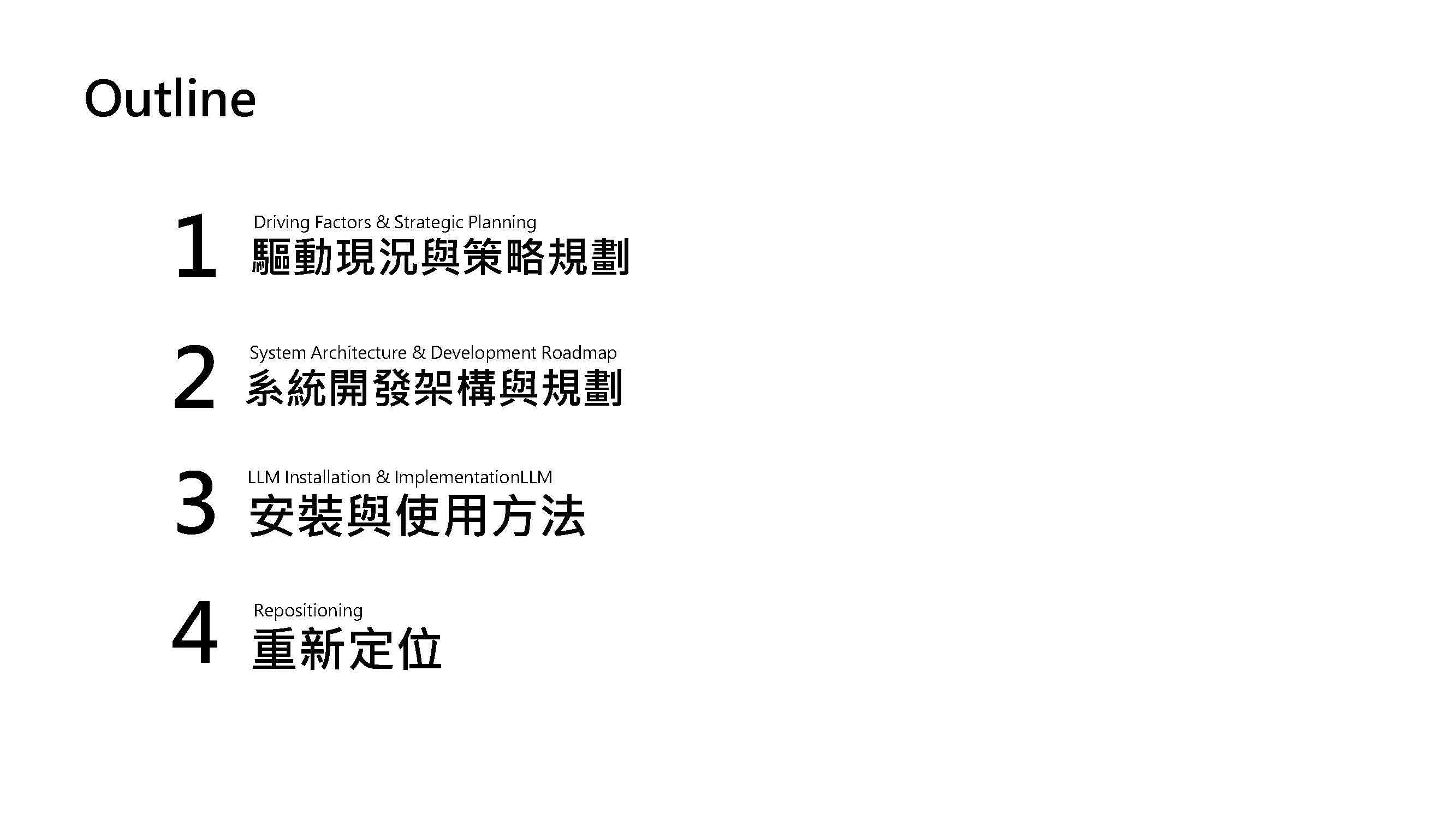
The talk is divided into four core parts:
- Current drivers and strategic planning
- System development architecture
- Installing and implementing the LLM
- Repositioning the human role
What is MCP (Model Context Protocol)?
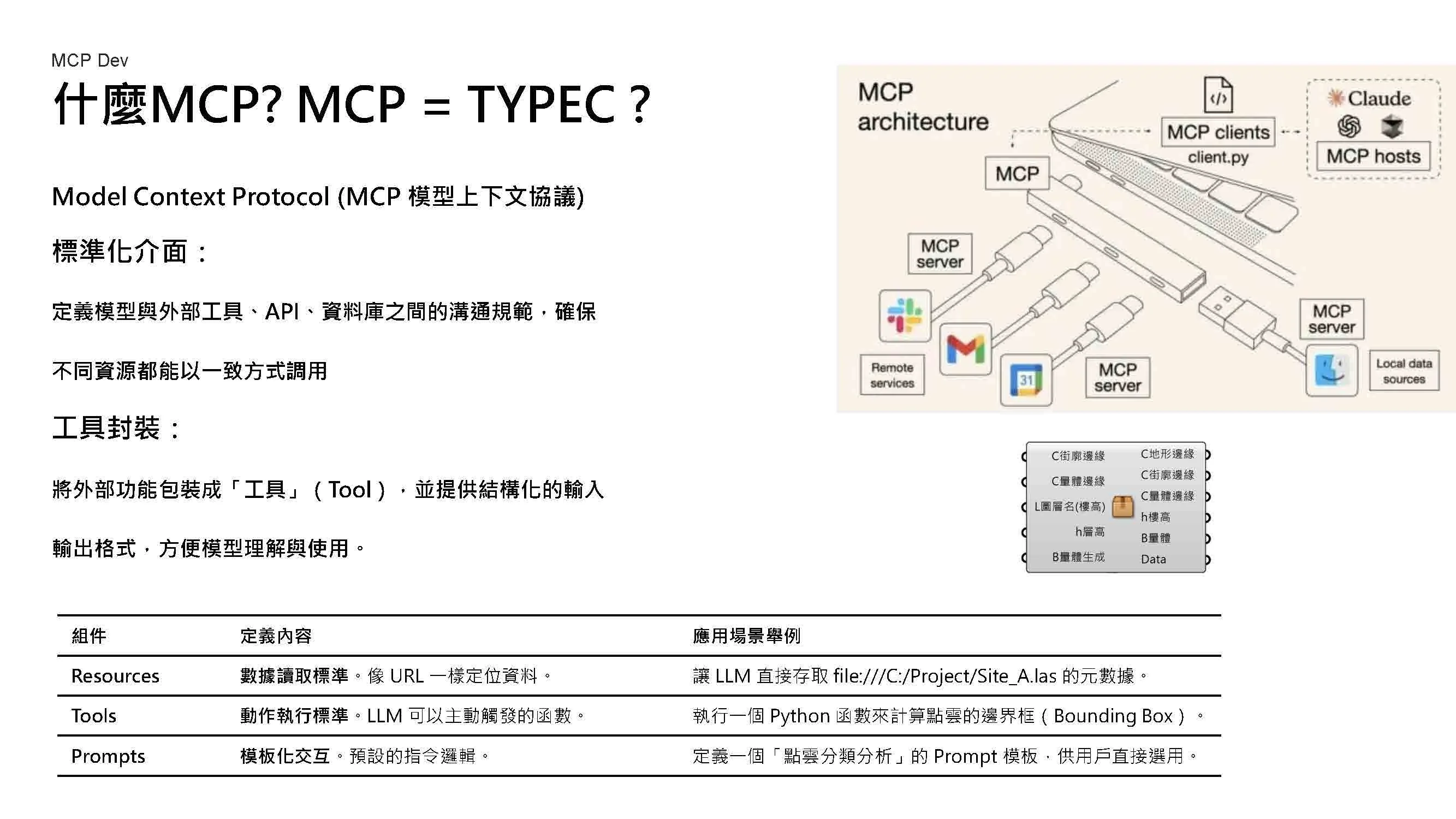
The Model Context Protocol (MCP) is not a physical hardware connector but a standardised interface that defines how an LLM communicates with external tools, APIs and databases.
MCP gives us three core components:
- Resources: let the LLM access folders directly.
- Tools: execute specific computational functions.
- Prompts: steer the model towards well-formed results.
Comparing LLM Platforms
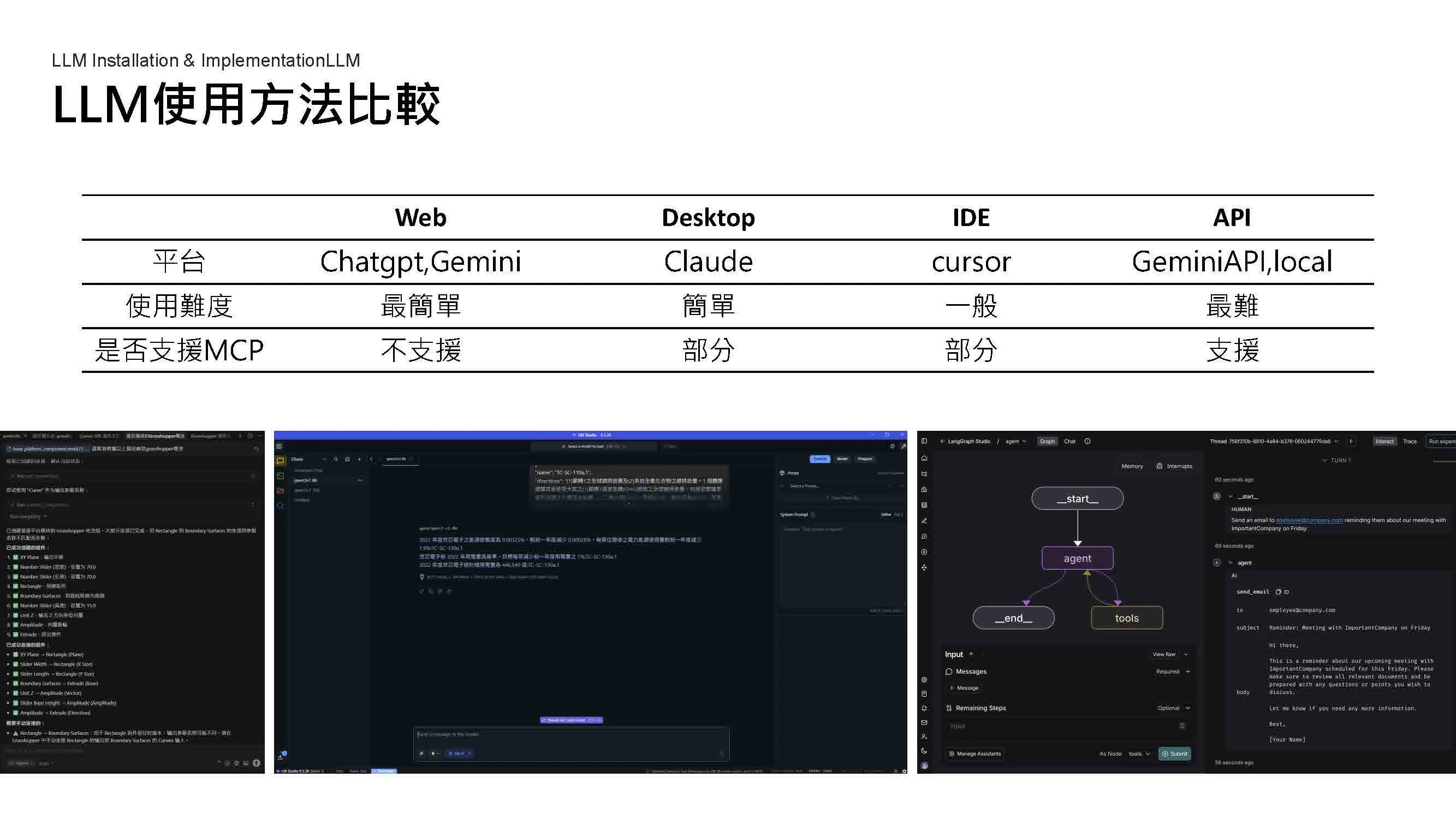
When choosing an LLM platform, the API is the hardest to work with, but it offers the most complete MCP support — which is why it is our first choice for building advanced automation pipelines.
Design Difficulties and Strategic Planning
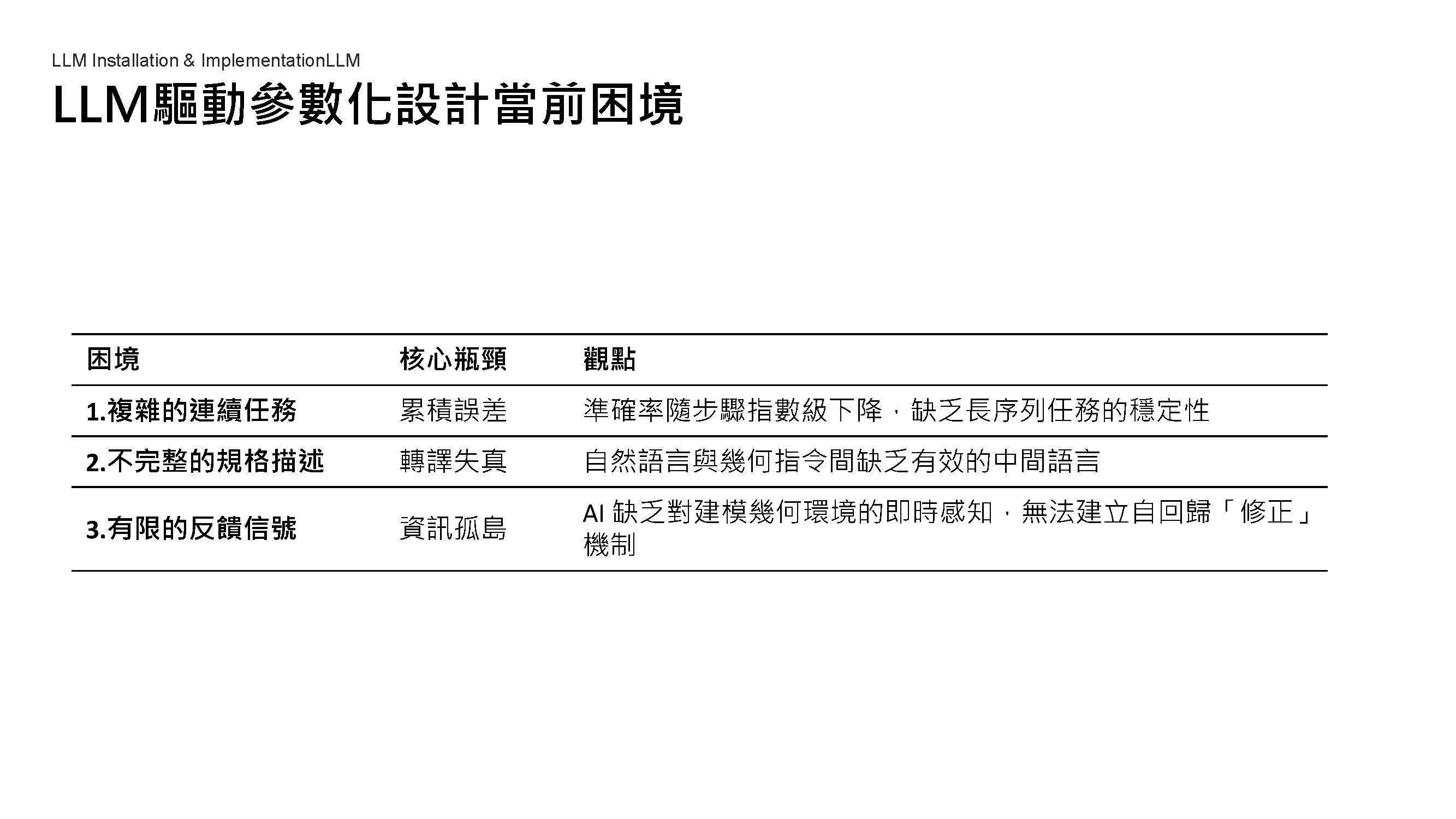
LLMs currently face three key challenges in parametric design:
- Accumulated error: complex tasks drift over multi-step processing.
- Translation loss: incomplete specifications cause design intent to be misread.
- Information silos: limited feedback signals leave the AI unable to self-correct.
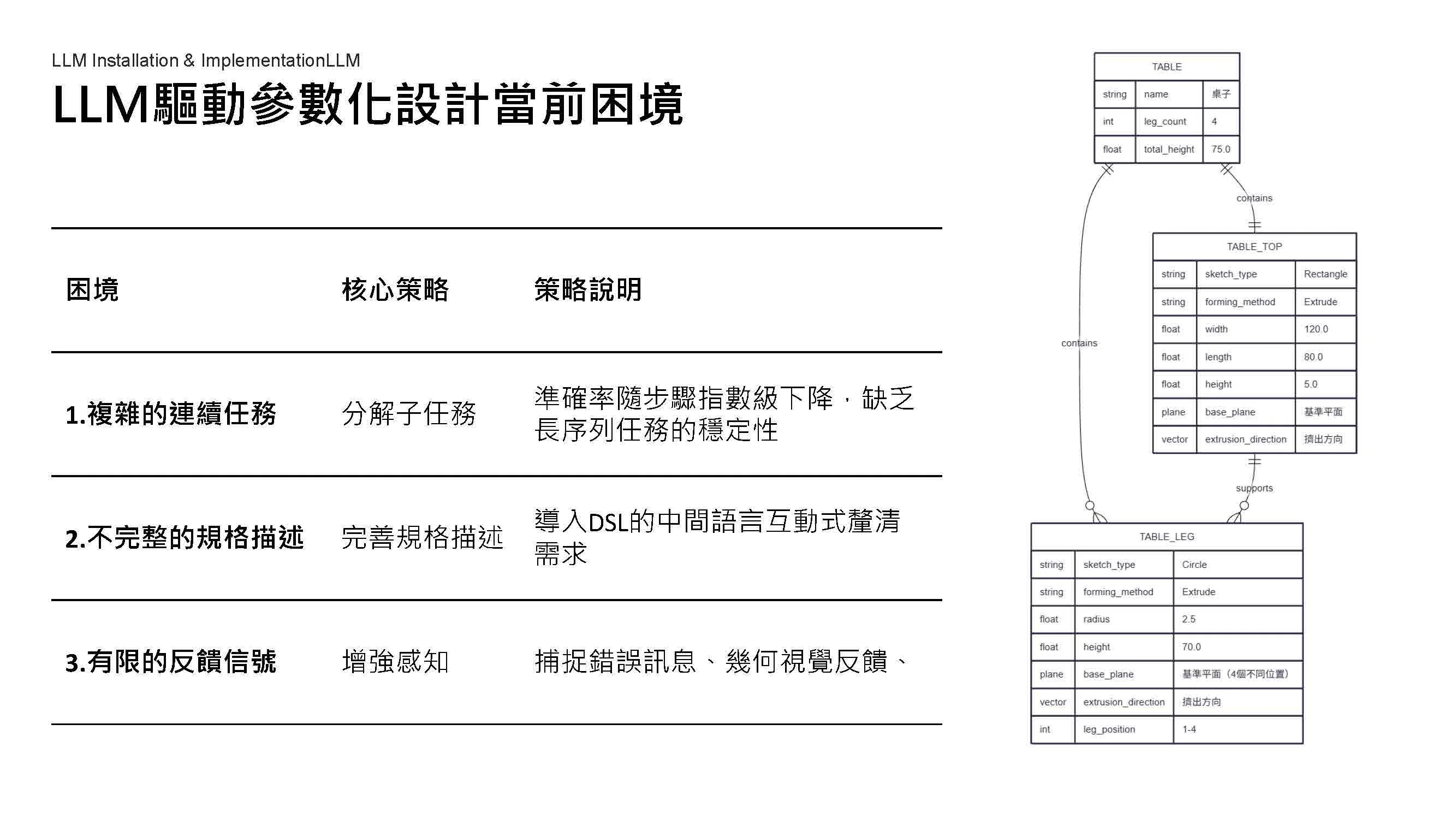
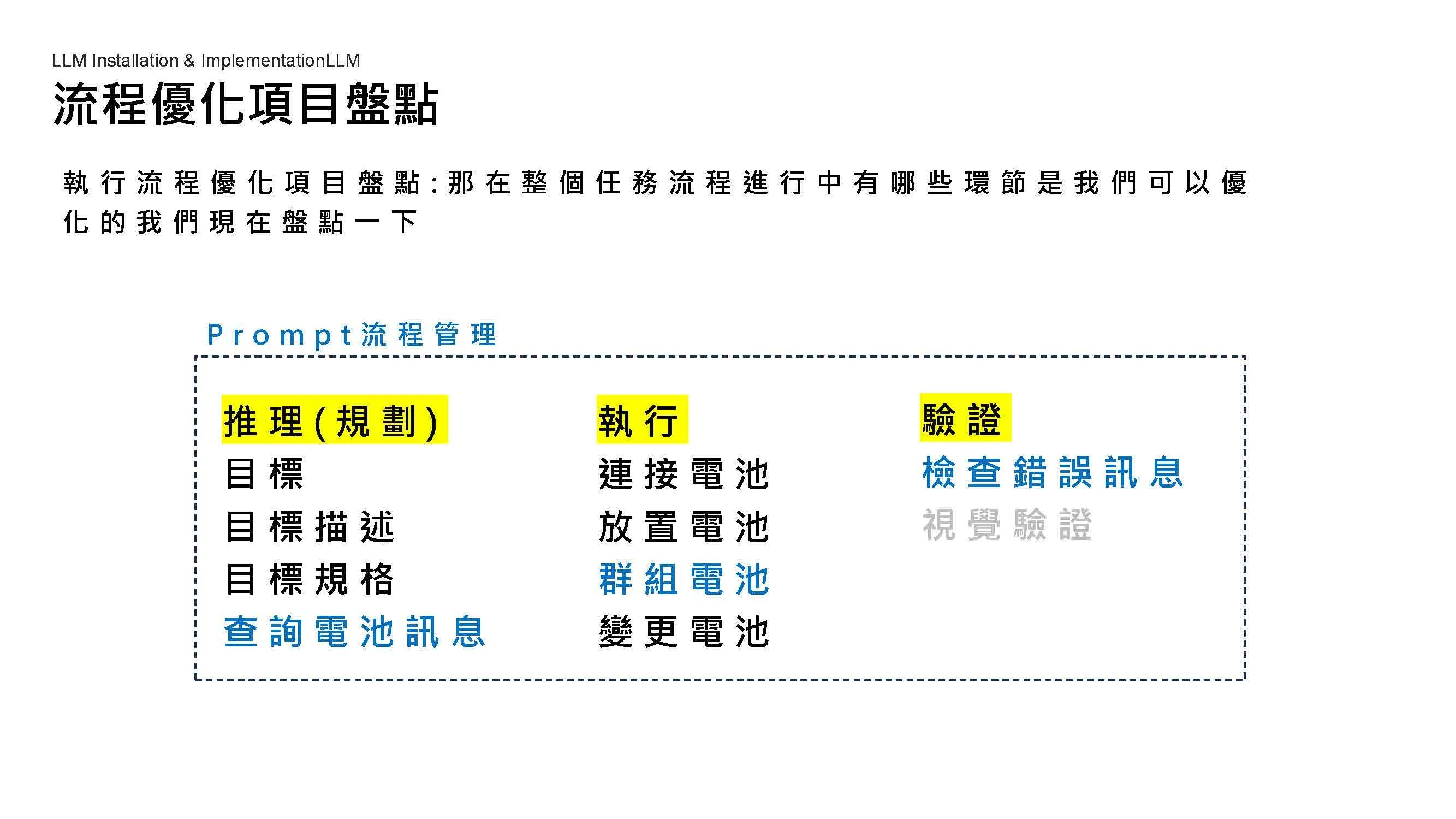
Our core strategy is to decompose the task, introduce a DSL (domain-specific language) as an intermediate language, and sharpen the AI’s perception of both geometry and error messages.
Levels of Task Requirements
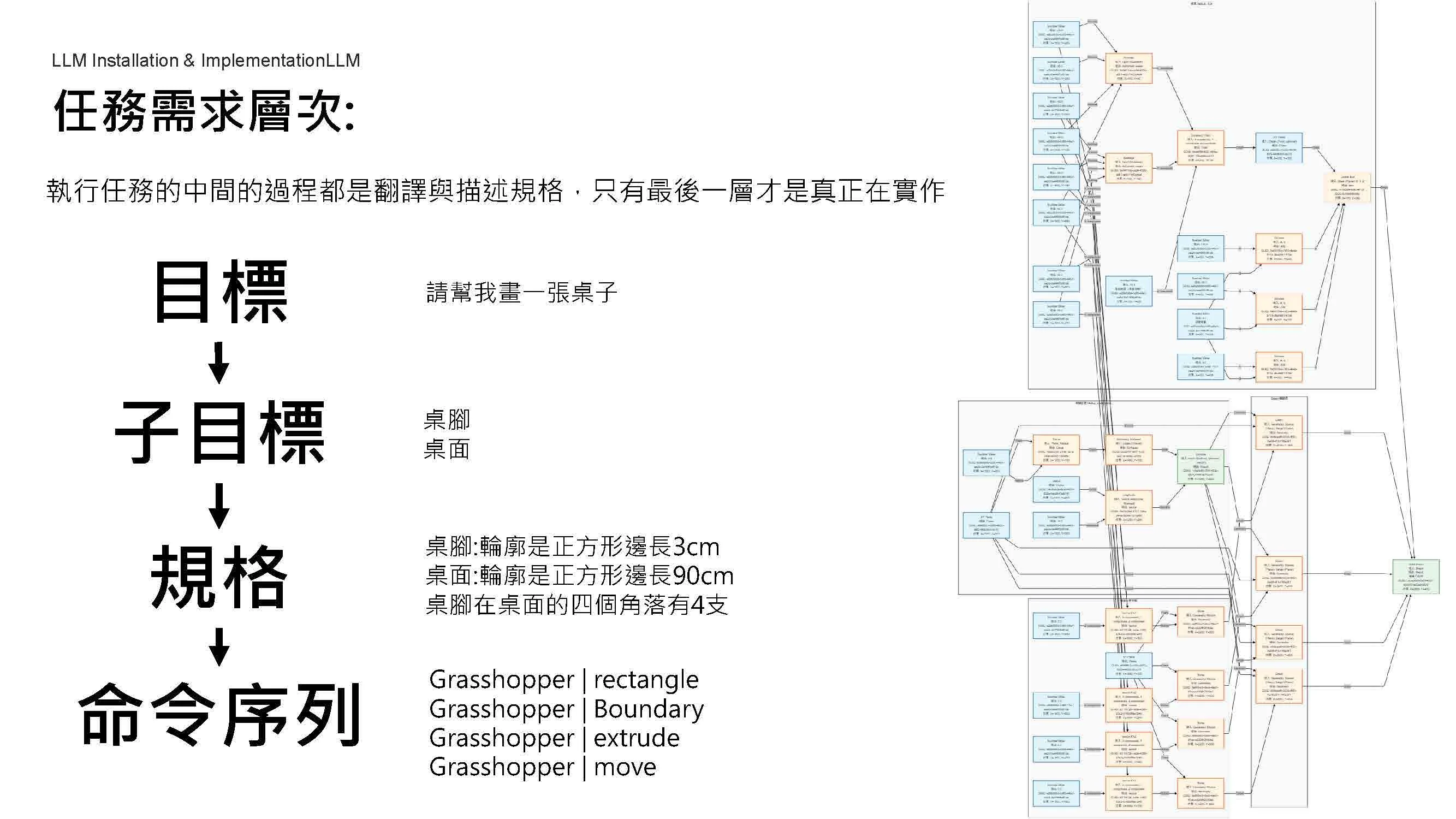
Most of the intermediate work in a task is translating and describing specifications. Take “draw a table”: the goal has to be decomposed into specifications for the legs and the top, and only then translated into a sequence of Grasshopper commands.
System Architecture: GH MCP Workflow
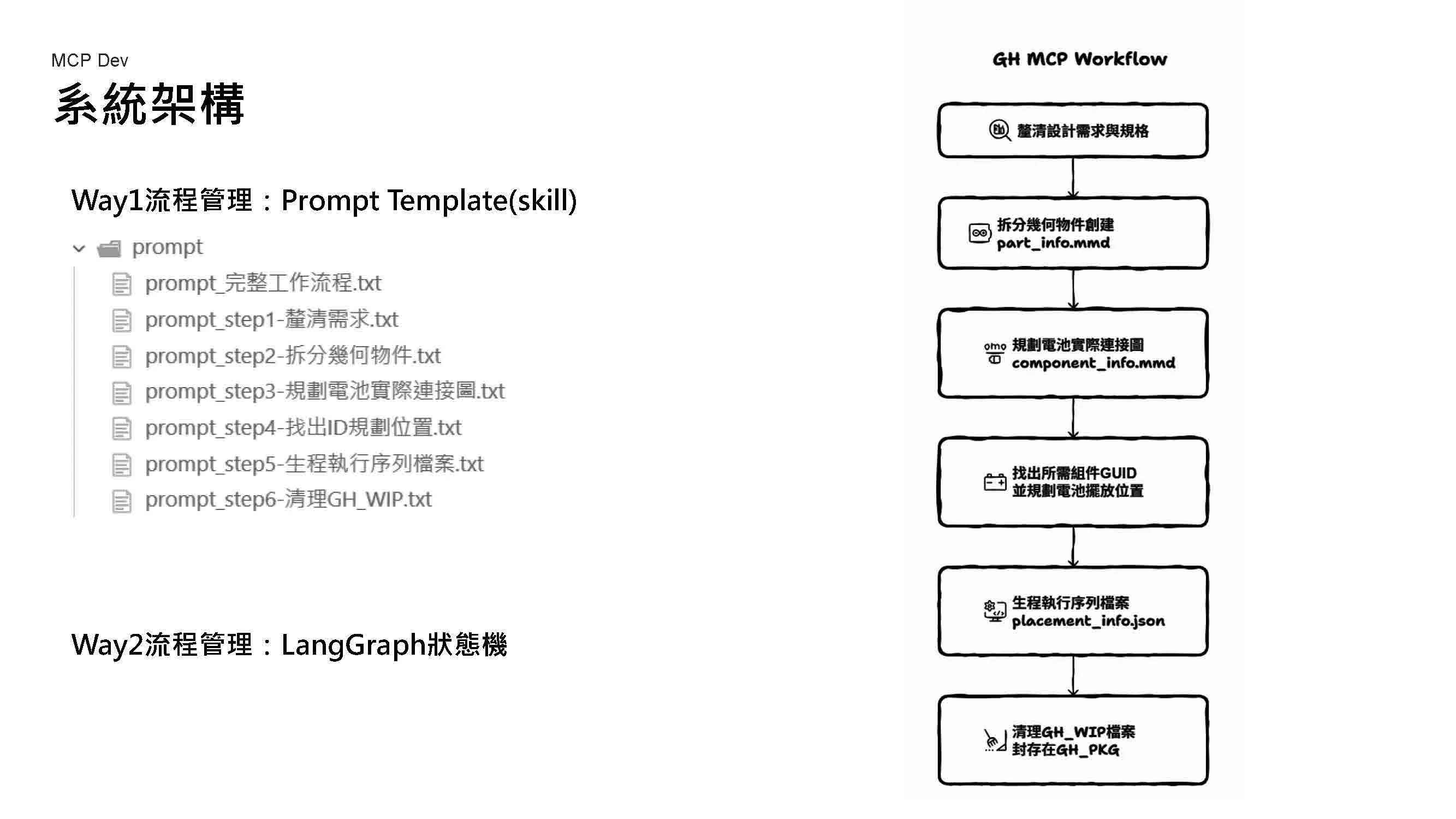
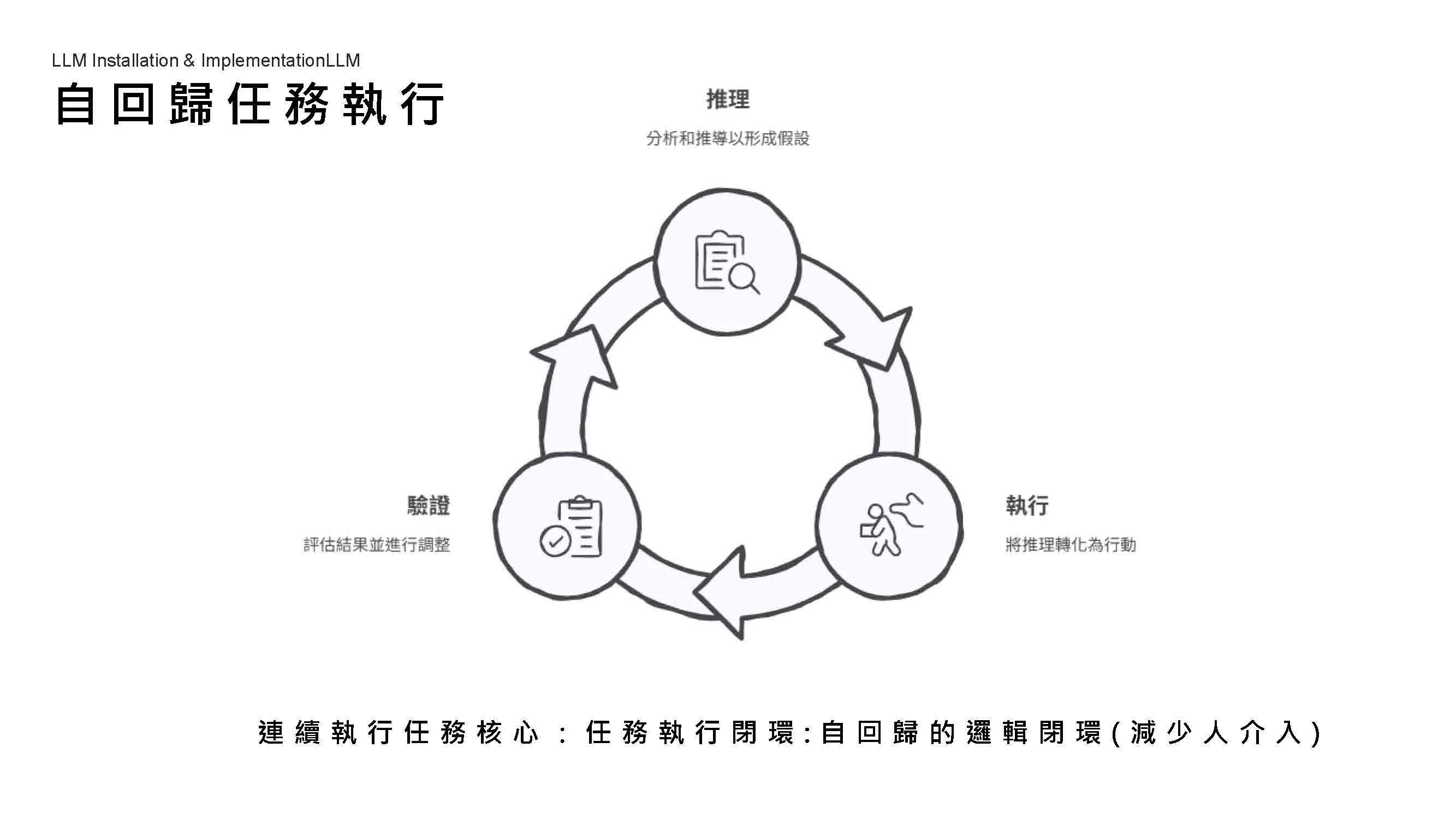
Our system architecture has six steps: clarify the requirement, split out the objects, plan the connection graph, find the GUIDs, generate the sequence file, and finally clean up. The heart of it is an autoregressive closed loop of “reason, execute, verify”.
Applying a DSL: Mermaid
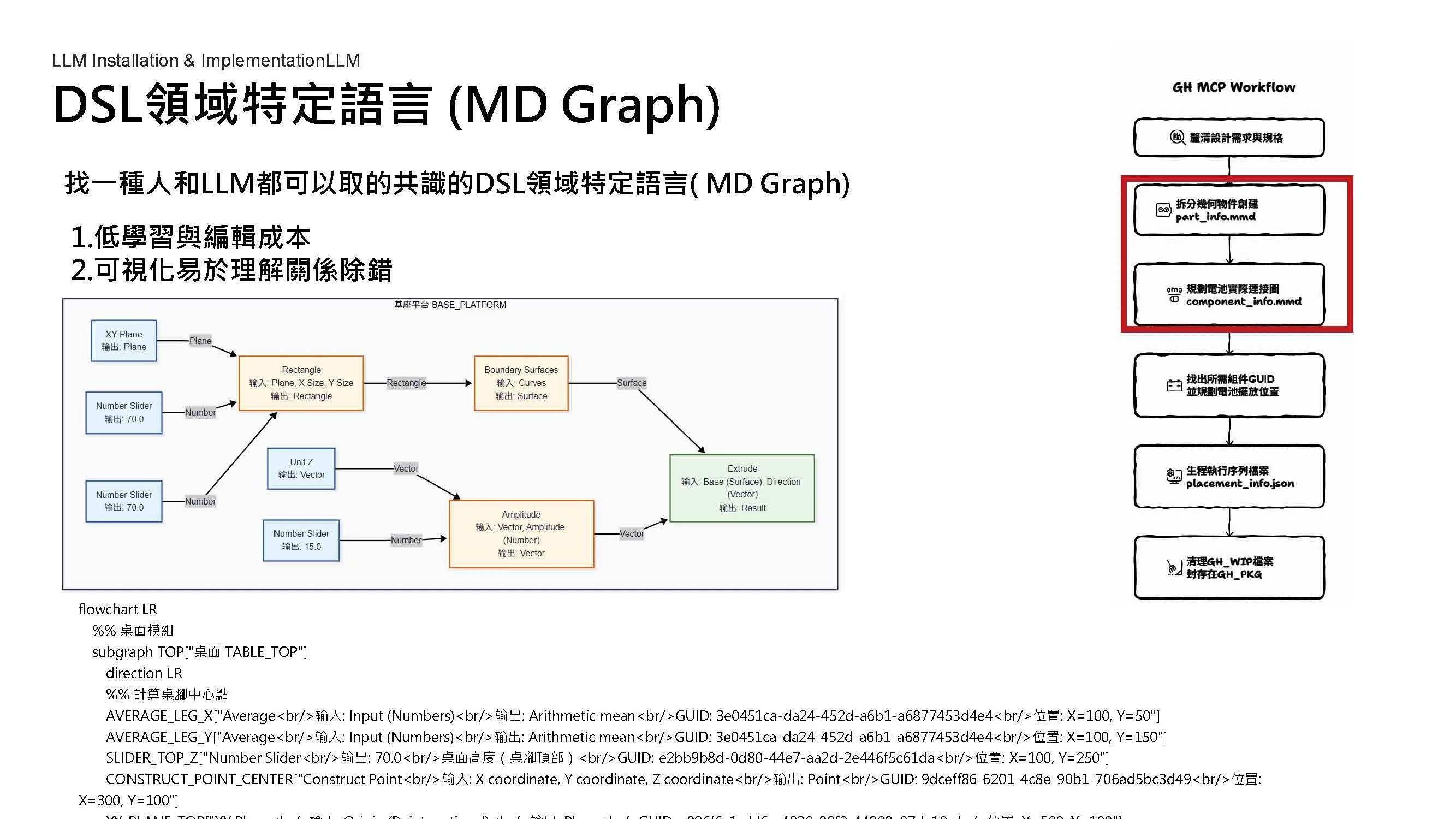
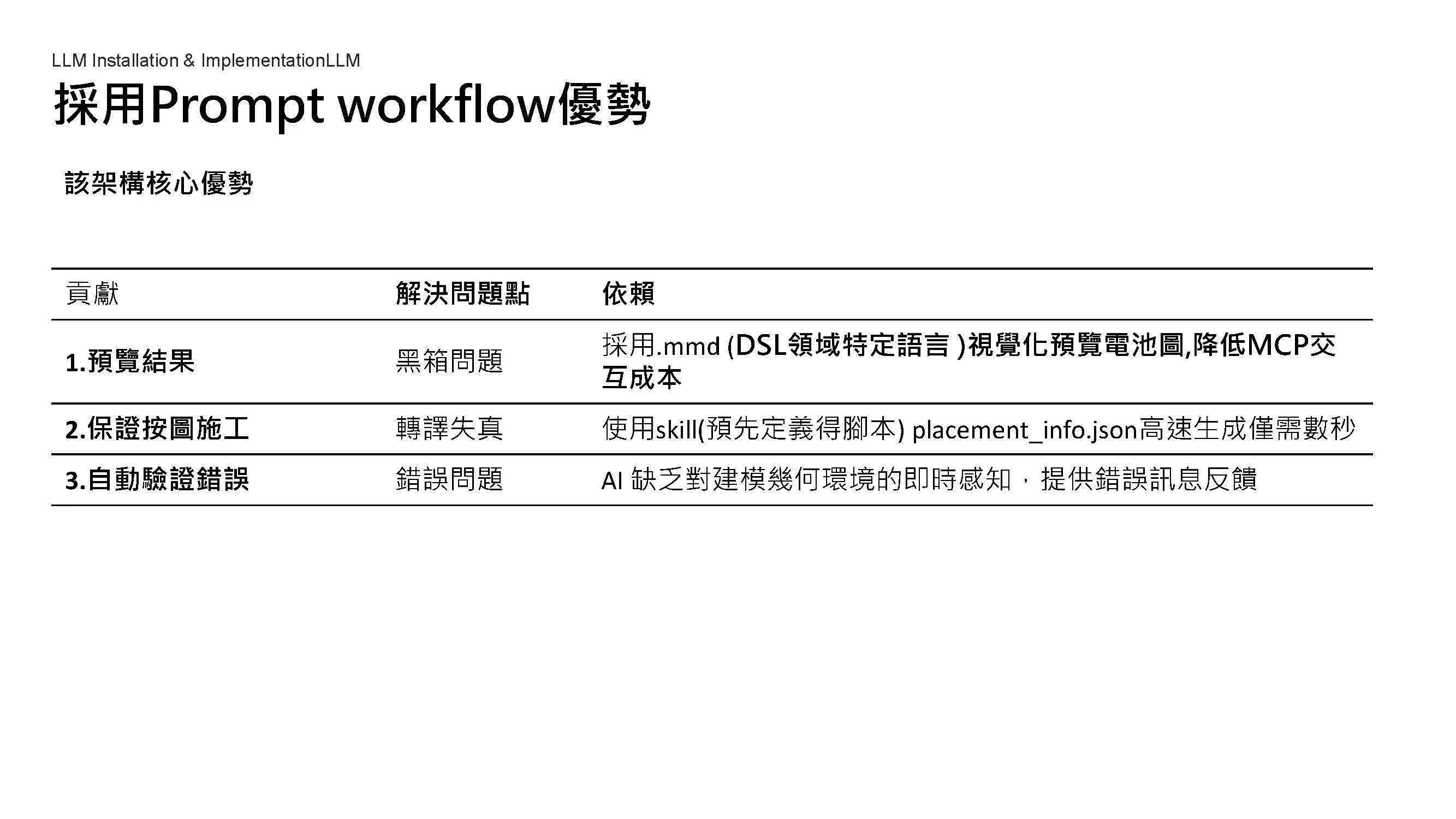
We use Mermaid (MD Graph) as the shared language between humans and the LLM. Its advantages are:
- A low learning curve.
- Visual preview.
- Automatic error validation: an effective way to make sure the AI “builds to the drawing”.
Controlling Tool Scope with LangGraph
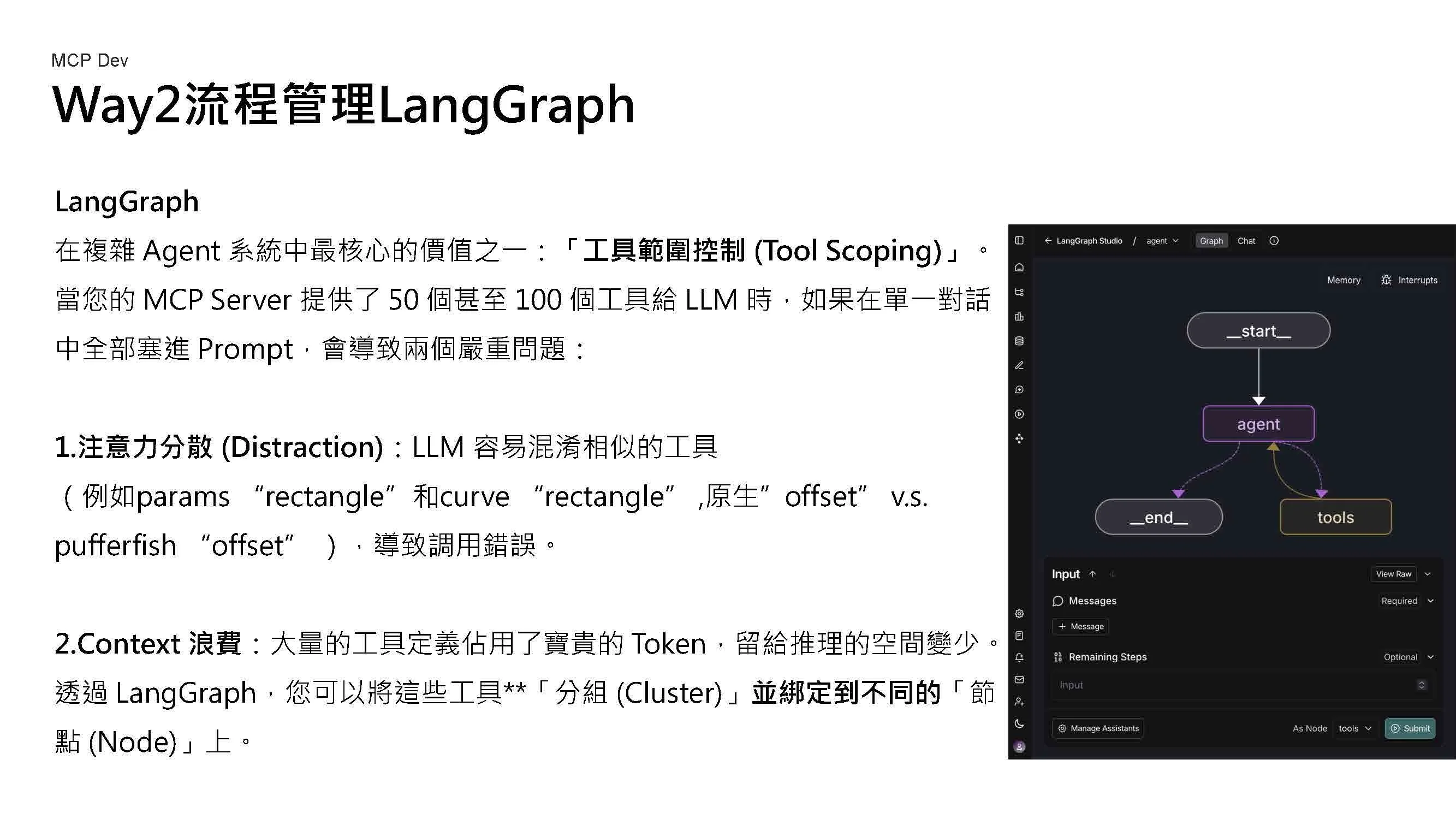
LangGraph lets us implement “tool scope control”. When an MCP server exposes hundreds of tools, binding them in groups to different nodes stops the LLM’s attention from being spread too thin, and lets us switch between models of different strengths according to task difficulty to keep costs down.